Turn Wearable Signals into Smarter Study Days
Today we explore leveraging wearable data to map energy peaks and plan coursework, translating heart rate variability, sleep stages, and movement patterns into practical schedules that feel natural. Expect actionable steps, relatable stories, and gentle science, all focused on using everyday devices to make studying kinder, sharper, and more sustainable. Share your questions and personal experiments, and let’s co-create a learning routine guided by your own physiology rather than rigid expectations or guesswork.
Heart Rate Variability, Resting Heart Rate, and Readiness
HRV can rise when you are well-rested, hydrated, and resilient to stress, while elevated resting heart rate may hint at fatigue, illness, or incomplete recovery. Combine these with subjective notes about clarity and motivation to confirm or question what the dashboard suggests. Over time, you’ll spot recurring windows when attention spikes. Use those windows to tackle conceptually demanding work, and reserve low-readiness periods for review, outlines, or collaborative discussions that benefit from momentum rather than intensity.
Sleep Timing, Stages, and Their Study Implications
Sleep onset consistency, REM proportion, and deep sleep stability influence memory consolidation, emotional regulation, and executive function. If your device flags irregular timing or shortened REM, morning cramming may underperform compared to an afternoon session. Track bedtime variability across weekdays and weekends to uncover social jetlag that blunts morning focus. Align readings with outcomes—quiz performance, draft quality, comprehension—to validate patterns. Then experiment with slight shifts to bedtime routines to support the study window that consistently yields your clearest thinking.
From Raw Readings to a Personal Energy Map
A personal energy map transforms scattered numbers into an intuitive guide for when to write, compute, discuss, or rest. Plot daily alertness against time of day, overlay HRV and sleep consistency, and mark real achievements. You’ll see rising and falling rhythms that repeat weekly, including differences between weekdays and weekends. This visual helps convert guesswork into gentle, time-bound experiments. Invite curiosity: notice exceptions, celebrate small wins, and tweak gradually. Your goal is a living map that respects both science and circumstance.
Schedule Coursework to Ride Your Natural Highs
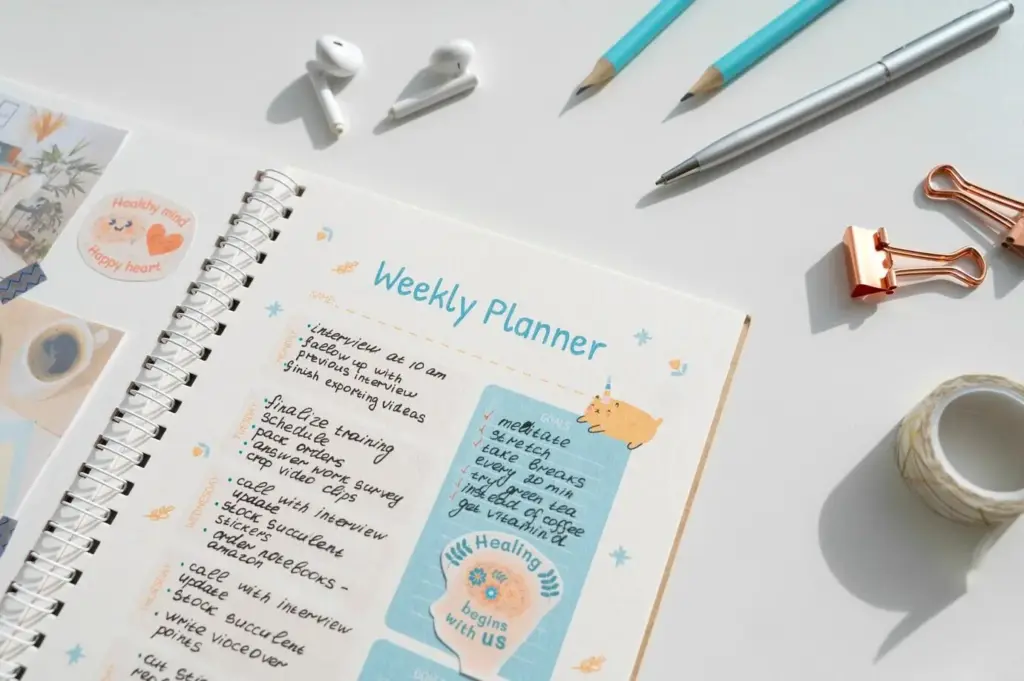
Once you trust your map, connect specific task types to matching energy windows. Reserve peak periods for problem sets, dense readings, and drafting. Use mid-level slots for discussions, office hours, or organizing notes. Save rote chores for low-energy times. Build buffers for life surprises and include strategic recovery. Commit to small, testable changes, like shifting your hardest course by one hour for a week. Track outcomes with honesty. Progress comes from compassionate iteration, not rigid adherence that ignores complex human days.

Privacy First: Consent, Minimization, and Boundaries
Keep sensitive details under your control. Disable unnecessary sharing, audit app permissions, and store exports locally when possible. If collaborating, agree on what will be collected, who can view it, and for how long. Use anonymized summaries for group learning. Resist comparing scores competitively; each body has unique baselines and contexts. The aim is humane productivity, not surveillance. Start small, iterate respectfully, and protect your dignity by remembering that data should serve your well-being and learning, never undermine your autonomy or trust.
Choosing Devices and Integrations that Fit Your Life
Select a wearable you will consistently wear and charge. Favor stable sensors, comfortable design, and ecosystems you already inhabit, whether Apple Health, Google Fit, or vendor dashboards. Look for easy exports and basic visualization. Avoid chasing perfect accuracy; seek consistent trends that guide decisions. Combine device data with a simple note system, like a daily one-liner reflecting mood and focus. The best stack is the one that meets you where you are, supporting gentle improvement rather than adding friction.
Build a Simple Dashboard You Actually Use
Start with a weekly view showing sleep regularity, HRV trend, and three labeled study blocks. Color-code blocks by perceived quality, not just duration. Add brief comments on context—caffeine, exercise, stress—so outliers make sense. Use sheets, Notion, or Obsidian, keeping it low maintenance. Review on Sundays, adjust one variable, and continue. A calm, readable dashboard sustains momentum better than an elaborate system you dread opening. Invite peers to share templates, refining together while staying mindful of privacy and emotional boundaries.
Stories from Real Students Who Timed Learning with Body Clocks
Narratives transform abstractions into lived wisdom. These stories trace experiments, missteps, and small adjustments that produced outsized gains. Notice how each student pairs device trends with reflections, then adapts without judgment. Consider what resonates with your schedule, courses, and responsibilities. Use these examples as starting points, not prescriptions. Share your own findings in the comments so others can learn from your context. Collective knowledge grows when we honor individuality and celebrate progress that feels both effective and humane.

Iterate with Reflection, Alerts, and Supportive Habits
Sustainable change emerges from small experiments reviewed regularly. Use weekly check-ins to compare your plan, your data, and how you actually felt. Add gentle alerts to protect sleep and deep-work windows. When life disrupts routines, revisit the map without self-criticism. Celebrate adherence to process, not just outcomes. Encourage friends or classmates to share responsible insights, building a culture that values rest and clarity. Over time, your study practice becomes a compassionate dialogue with your body, not a battle against it.
A Weekly Review Ritual that Sticks
Block thirty minutes on Sunday to scan your dashboard and journal. Ask three questions: when did work feel joyful, when did it feel forced, and what one adjustment could unlock better days? Compare changes in HRV, sleep regularity, and perceived focus. Confirm which study blocks to protect and which to move. Keep the ritual light, repeatable, and honest. The point is to learn from your own patterns, building confidence that each week reflects better alignment with how you truly function.
Early Warnings and Burnout Detours
Watch for warning patterns: falling HRV across several days, persistently elevated resting heart rate, short sleep, and growing irritability. Rather than pushing harder, lighten loads temporarily and prioritize recovery. Insert restorative breaks, seek help early, and communicate with instructors before crises. Reallocate demanding tasks to verified peaks after rest improves. This proactive detour preserves long-term progress. Treat warnings as care signals, not failures, and remember that resilience is built by respecting limits, then returning to focused work when the body is ready.
Community, Accountability, and Gentle Transparency
Invite a study buddy to swap weekly insights without sharing raw data. Discuss decisions, not scores: what shifted, what helped, and what felt humane. Agree on respectful boundaries and celebrate consistency over intensity. Group rhythms can inspire fresh experiments while guarding privacy. Share templates, scripts for emails, and planning rituals that reduce friction. When accountability feels supportive rather than punitive, you’ll protect peak windows more reliably and bounce back faster after disruptions, turning wearable insights into a shared practice of sustainable learning.